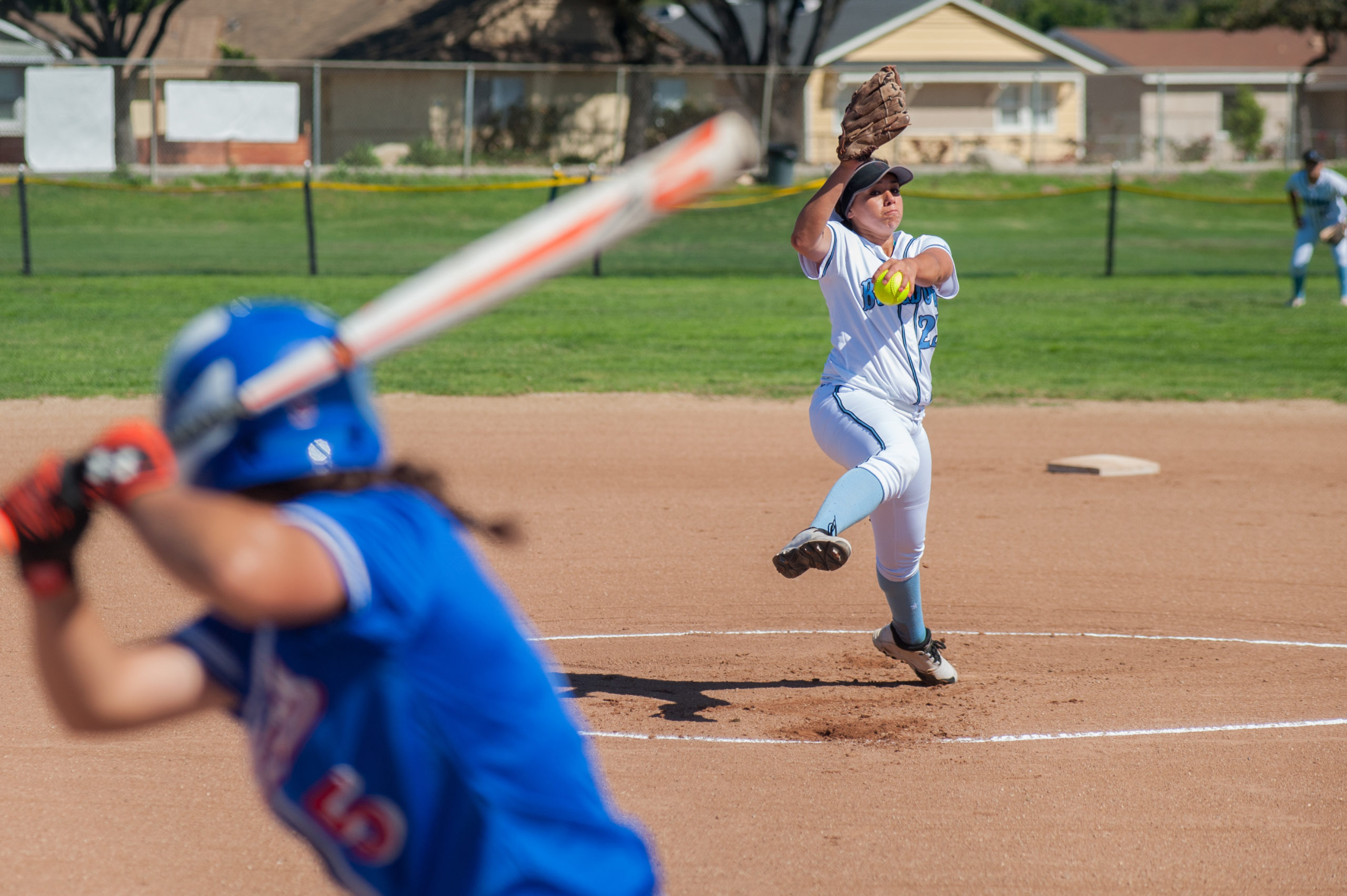
Did you know that softballs are harder than baseballs? While the sports can often be grouped together, they are notably different; from the game rules, equipment, leagues, and how tryouts are operated.
Softball season, although leagues may start at different times, is typically ran in the spring. For many teams, the time for tryouts is right around now: April/May.
If you’re a softball club or league starting to get your tryouts organized, here are some tips to make sure the day runs smoothly. TeamSnap for Clubs & Leagues can help you plan this big day, through messaging, scheduling functions, registrations, and more.
Get the word out
It’s important that the day you select for tryouts is circled on prospective players’ and parents’ calendars. You will want to make sure that all of the coaches know when tryouts are, parents, and players so the day attracts lots of new and previous players. One way to attract new players is through social media and thoughtful marketing. You’ll want to have the day announced at least three months in advance and send out reminders on social media, your website, and emails. Encourage parents, players, and coaches to spread the word. Word of mouth travels faster than any email!
Get a head count
It’s challenging to run a successful tryout without an idea as to how many players you will have in attendance. Luckily, TeamSnap has an easy-to-use integration with TeamGenius to help run tryouts and team evaluations. To make the sign-up process easier, use the TeamSnap app. You can create a customized form online and then simply send the link to athletes. All the registration information will be collected in a single place. The TeamSnap app also allows you to collect payments online to save yourself the hassle of chasing down who’s paid and who hasn’t.
Be ready to evaluate
A major part of tryouts is the evaluation process. Most coaches and teams follow an evaluation template to observe the players. While every club and league may have a slightly unique process in terms of evaluation, it’s crucial to have enough scoring sheets to disperse to all of the coaches and instructors evaluating. When creating the evaluation for a softball tryout, it’s important to create something that looks at the whole player vs. just one skill or two. There are different tryout scoring systems you can use, from 1-5 to any time a player hits they get 30 points. Discuss with your organization what fits in with your club’s mission statement and developmental goals and make a concise and consistent evaluation template.
Create a game plan
Some softball tryouts are held over the course of two or more days. Organizations may want to see skills on one day and then more position specific the next. Since it is your tryout, it’s your call. When operating the flow of the tryout make sure that the entire day or days encompass all parts of the game. For softball, you’ll want to make sure that all of your drills evaluate a player’s ability to hit, catch, throw, run, among other skills. It’s not a bad idea to have the tryout stretched across two days to focus more on the skills of the game one day and then positional and more game-like scenarios the other. Examine what kind of bandwidth your program has; from staffing, field space, and time and go from there. If you decide to hold your tryout on two days, make sure the rundown is clearly communicated.
Do you or someone you know need help managing their baseball team or club? Sign up for a free 21-day trial today. Or check out our club and league solution, TeamSnap for Clubs and Leagues if your team is part of a larger sports organization.