Connect with some of the most passionate consumers in the country, make a meaningful impact in local communities and grow your business through youth sports sponsorships.
From planning your first sponsorship to executing a nationwide campaign, this guide covers everything your brand needs to know about sponsoring youth sports.
In this guide:
- What is youth sports sponsorship?
- Why should brands sponsor youth sports?
- Types of youth sports sponsorships
- How to plan a youth sports sponsorship campaign
- How much does it cost to sponsor youth sports?
- How to execute youth sports sponsorships
- How to measure youth sports sponsorship ROI
- How to amplify your youth sports sponsorships
- Examples of successful youth sports sponsorships
- How to sponsor youth sports at scale
What is youth sports sponsorship?
Youth sports sponsorship is a form of marketing in which brands partner with youth sports teams, clubs, leagues or tournaments to support local sports programs while reaching an engaged audience of parents, coaches, athletes and fans.
Sponsorship opportunities range from branded jerseys and field signage to product sampling, experiential activations and integrated digital advertising campaigns. Brands can sponsor individual teams in their local communities or partner with a youth sports marketing platform like TeamSnap to reach families across the country.
Why should brands sponsor youth sports?
Youth sports are at the heart of communities across America. Families dedicate countless hours to practices, games and tournaments, making sports an integral part of their daily lives.
For brands, youth sports present a unique opportunity to connect with consumers through an experience they are already deeply invested in.
Make a positive impact in local communities
Youth sports sponsorships provide financial and material support to sports organizations, helping offset the costs of running programs and creating more opportunities for children to play.
Engage directly with consumers
From distributing product samples at tournaments to hosting activities at local games, brands can interact with families in person, introduce new products and gather valuable consumer feedback.
Generate sustained brand exposure
Unlike a one-time event sponsorship, youth sports sponsorships can provide repeated brand exposure throughout an entire season. Brands can connect with families at weekly practices and games, as well as through the digital platforms they use to manage their sports schedules.
Build long-term brand affinity
By supporting something that matters to families, brands have an opportunity to build positive associations and lasting relationships with consumers that extend well beyond the playing field.
What types of youth sports sponsorships are available to brands?
Youth sports sponsorships can include physical branding, digital media and experiential marketing. Brands can combine these opportunities to create integrated campaigns that reach families throughout their youth sports experience.
Physical sponsorship assets
Physical sponsorship assets provide ongoing brand visibility at youth sporting events and within local communities.
Examples include:
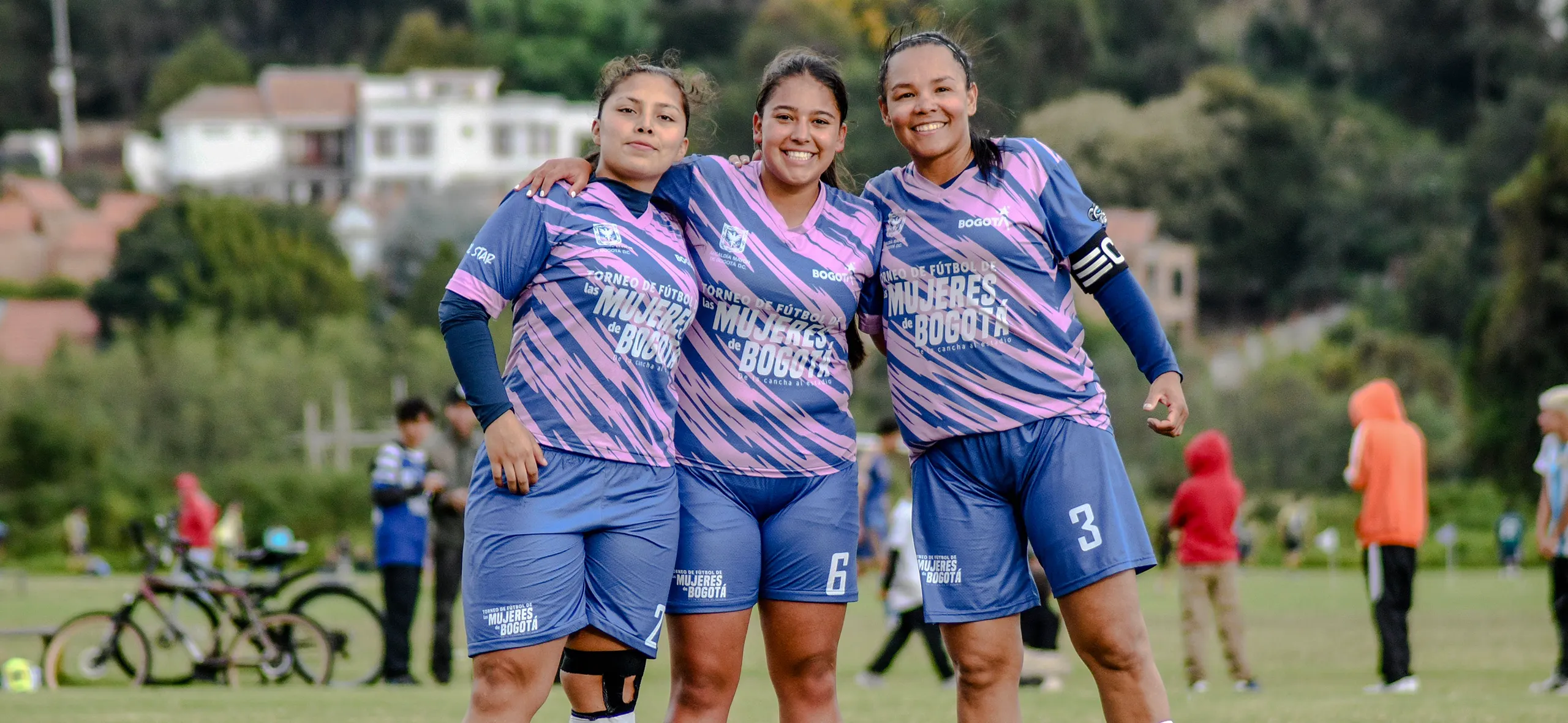
- Branded team jerseys and uniforms
- Field banners and sideline signage
- Branded sports equipment
- In-venue advertising
- Sponsored team apparel
Physical assets can also extend brand exposure beyond the field when families share team photos and sporting moments on social media.
Digital advertising and media
Digital advertising allows brands to reach youth sports families as they coordinate schedules, communicate with coaches and plan their activities.
Digital youth sports marketing opportunities include:
- In-app advertising on youth sports platforms like TeamSnap
- Native advertising and branded content
- Sponsored email communications
- Sponsored social media content
- Digital contests and promotional offers
Combining digital advertising with physical sponsorships can help brands reinforce their message throughout the season and extend their reach beyond the families attending sponsored events.
Experiential marketing and product sampling
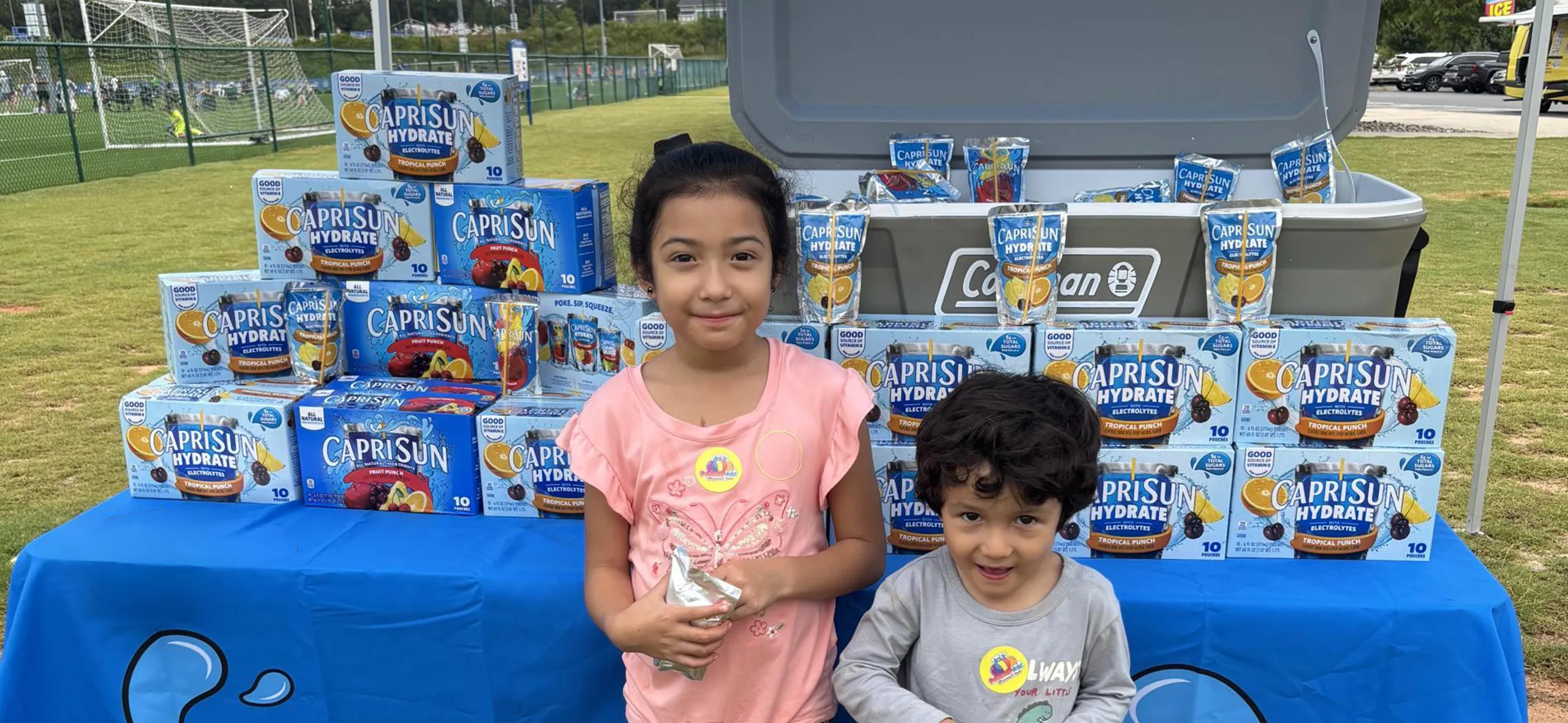
Experiential youth sports sponsorships, such as sampling and activations, give brands the opportunity to interact directly with consumers in an environment where families regularly gather.
Examples include:
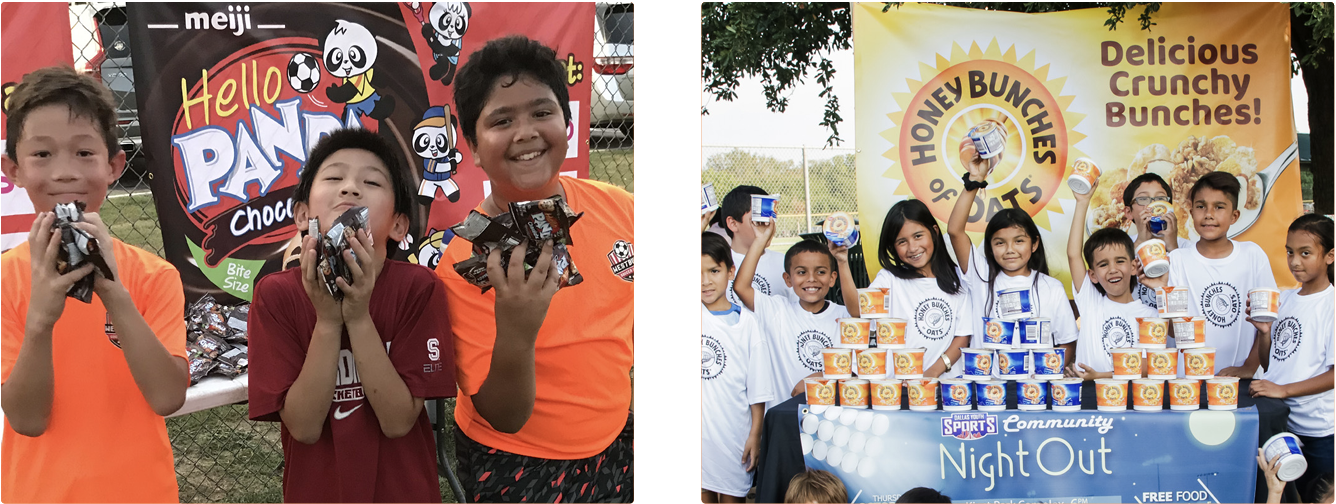
- Product sampling at games and tournaments
- On-site brand activations
- Branded giveaways and contests
- Community events and fundraisers
- Coupon and promotional offer distribution
- Educational clinics and workshops
Youth sports can be a particularly effective environment for consumer packaged goods (CPG) brands looking to introduce new products, encourage trial and influence household purchasing decisions.

How to plan a youth sports sponsorship campaign
A successful youth sports sponsorship starts with a clear understanding of your marketing objectives and the audience you want to reach.
1. Define your campaign objectives
Common youth sports sponsorship objectives include:
- Increasing brand awareness and recall
- Building brand affinity and favorability
- Driving retail store traffic and sales
- Generating product awareness and trial
- Reaching new households
- Strengthening community relationships
Establish measurable key performance indicators (KPIs) before selecting your sponsorship partners or investing in campaign assets.
2. Identify your target audience and markets
Youth sports offer brands access to families across a wide range of geographic markets, demographics and household interests.
Depending on your business objectives, you may want to activate nationally, within specific designated market areas (DMAs), or in communities surrounding your retail locations.
If you are testing youth sports as a marketing channel for the first time, consider launching a pilot campaign in selected markets before expanding nationally.
3. Determine which sports to sponsor
Brands can sponsor a variety of youth sports, including soccer, baseball, softball, basketball, football, volleyball and hockey.
Unless your product or service has a natural connection to a particular sport, consider activating across multiple sports. This can give your brand access to a broader audience and create more opportunities to engage families throughout the year.
4. Select your sponsorship assets
Choose sponsorship assets based on your campaign objectives.
- Brand awareness: Branded jerseys, field signage and in-app advertising.
- Product trial: Product sampling and on-site brand activations.
- Retail sales: Coupons, localized marketing campaigns and promotional offers.
- Brand affinity: Community sponsorships, fundraisers and branded experiences.
- Consumer engagement: Contests, giveaways and experiential marketing.
An integrated approach can create multiple opportunities for families to interact with your brand throughout the season.
How much does it cost to sponsor youth sports?
Individual youth sports league sponsorship packages have historically ranged from $500 to $5,000 or more, depending on the size of the organization, the number of families reached and the sponsorship assets included.
The total cost of a youth sports sponsorship campaign depends on several factors:
- Number of teams, clubs or leagues sponsored
- Geographic reach
- Campaign duration
- Physical sponsorship assets and production costs
- Digital advertising investment
- Product sampling and activation requirements
- Campaign management and measurement
A local business sponsoring a single league will have different investment requirements than a national consumer brand looking to reach families across dozens of markets.
When evaluating sponsorship costs, consider the total audience reached, frequency of exposure and potential business impact alongside the upfront investment.
How to execute youth sports sponsorships
Brands can work directly with local sports organizations or partner with a youth sports marketing platform to manage sponsorship campaigns across multiple communities.
If you are managing sponsorships independently, follow these steps.
Identify sports organizations in your target markets
Research youth sports clubs and leagues in the communities you want to reach. Identify the appropriate sponsorship contact, which may be a league president, commissioner or board member.
Many youth sports organizations are volunteer-led, so allow additional time for outreach, negotiations and approvals. TeamSnap recommends initially reaching out to approximately three times the number of organizations you ultimately hope to sponsor.
Negotiate sponsorship packages
Determine which assets you want included in each sponsorship and establish clear expectations around pricing, deliverables, timing and reporting.
Some sports organizations offer predefined sponsorship packages, while others are open to developing customized opportunities.
Produce and distribute sponsorship assets
Develop the creative materials needed for the campaign, including signage, apparel, digital advertising and promotional materials.
Maintaining control over creative production where possible helps ensure consistency across sponsored organizations.
Verify sponsorship execution
Request photographic verification of physical sponsorship assets within the first two weeks of the season. Maintain a centralized record of sponsorship agreements, deliverables, costs and verification materials.
For brands sponsoring multiple organizations, standardizing packages and reporting requirements can significantly simplify campaign management.
How to measure youth sports sponsorship ROI
Youth sports sponsorships can be measured against a variety of marketing and business objectives, from brand awareness and consumer sentiment to product sales and retail performance.
Establish a measurement framework before launching your campaign so that you have the baseline data needed to evaluate its effectiveness.
Reach and impressions
Track the number of individuals or households reached through physical sponsorships, digital advertising and experiential activations. Impressions can help quantify the frequency and scale of brand exposure throughout a campaign.
Brand lift
Conduct pre- and post-campaign surveys to measure changes in:
- Aided and unaided brand awareness
- Brand favorability
- Brand recall
- Purchase intent
- Brand affinity
Surveys can also help brands better understand the preferences and purchasing behaviors of youth sports families.
Product trial and coupon redemption
Track the number of product samples distributed, promotional offers redeemed and consumers engaged through on-site activations.
Unique promotional codes can help brands connect specific sponsorship activities to consumer actions.
Retail sales lift
For brands with retail distribution or physical locations, measure changes in sales within sponsored markets.
Where possible, compare performance in markets where your brand is sponsoring youth sports against similar markets without sponsorship activity to better understand the incremental impact of your campaign.
Digital engagement
Monitor changes in branded search traffic, website visits, social media engagement and digital advertising performance in your target markets.
Consumer feedback
Collect testimonials and direct feedback from parents, coaches and sports organizers to understand how your brand is perceived within the communities you support.

How to amplify your youth sports sponsorships
The impact of a youth sports sponsorship can extend far beyond the field.
Brands can amplify their community marketing investments by incorporating their sponsorships into other marketing channels, including:
- In-store signage and point-of-sale materials
- Social media campaigns
- Public relations and local media coverage
- Email marketing
- Video and television advertising
- Out-of-home advertising
With appropriate permissions, real stories and imagery from sponsored communities can help brands communicate the impact of their investments to a wider audience.
Brands should also consider extending their partnerships across multiple seasons. At TeamSnap, we have found that multi-season sponsorship campaigns can outperform single-season campaigns as brands develop deeper relationships with local communities.
Examples of successful youth sports sponsorships
Brands across industries, from consumer packaged goods to healthcare and real estate, have leveraged youth sports sponsorships to achieve measurable business results.
Opendoor: Building brand awareness through branded apparel
93% higher top-of-mind awareness
Opendoor found that youth sports sponsorship campaigns that included branded apparel achieved 93% higher top-of-mind awareness than campaigns involving leagues without branded apparel.
Meiji Hello Panda: Driving retail sales through product sampling
16.3% increase in average daily units sold
Meiji Hello Panda distributed product samples at youth sporting events, introducing its products directly to sports families and seeing an increase in average daily units sold.
How can brands sponsor youth sports at scale?
While sponsoring a local youth sports league can be relatively straightforward, managing sponsorships across hundreds of teams, sports organizations and geographic markets requires considerable resources.
TeamSnap for Brands helps advertisers reach youth sports families at scale through turnkey, measurable sponsorship and marketing campaigns.
At the center of youth sports, TeamSnap connects brands to millions of passionate parents, coaches and fans who show up for their athletes day in and day out.
Through our network of youth sports organizations and our digital platform, brands can engage families both on and off the field through youth sports sponsorships, digital advertising, product sampling and experiential marketing.
Whether you're exploring youth sports marketing for the first time or looking to build a nationwide campaign, TeamSnap can help your brand become part of the youth sports experience.